

In recent years, families worldwide have been navigating a sharp increase in the cost of living. This surge, touching everything from groceries and utilities to rent and healthcare, casts a long shadow over households, quietly amplifying stress, and anxiety behind closed doors. Today, we dive into how this financial pressure cooker is reshaping the dynamics within homes, testing resilience, and what can be done to alleviate the pressure associated with this hardship.
The Rising Tide of Expenses
For many, the long-term cost of living has transformed from a routine budgeting concern into an ominous cloud over future planning. In recent years, the prices of goods and services have increased 8.3%, which is a number unseen in the last 40 years. As prices climb, the average household now grapples with allocating resources to meet basic needs, often having to cut back, postpone, or forgo entirely certain aspects of what was once a standard quality of life. The impact is not just about tightened belts but about the ripple effects on emotional and physical health within families.
Prices of goods and services have increased 8.3%, a rise unseen in the last 40 years
Stress In The Household: A Closer Look
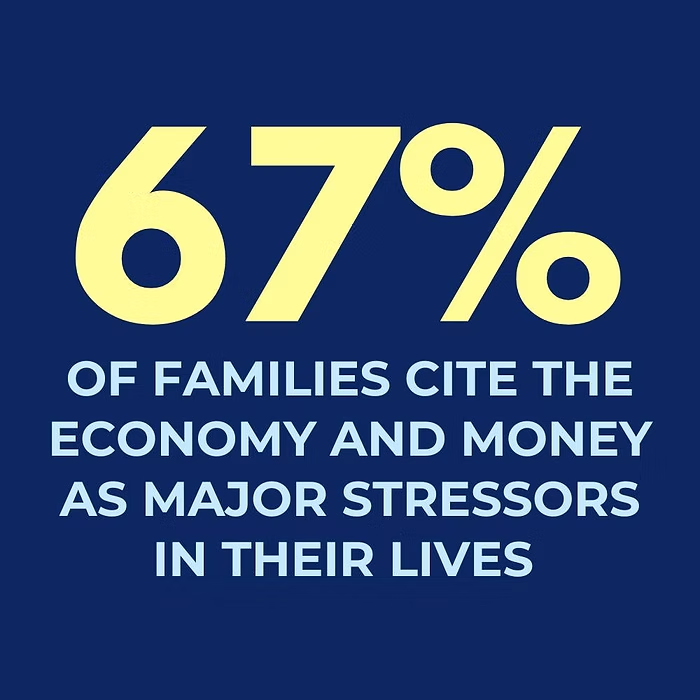
The stress stemming from financial pressures is multifaceted. Parents and guardians, in their roles as providers, feel the weight of ensuring stability in an unstable economic climate. Statistics show that upwards of 67% of families cite the economy and money as major stressors in their lives.
This increase in financial stress often leads to increased work hours, multiple jobs, and less time spent with family—factors that can further strain relationships and affect mental health. Moreover, financial insecurity can seep into conversations, adding a layer of anxiety to family interactions and decision-making. The following are some of the many impacts financial stress can place on a household:
- Mental Health Toll: The constant worry over finances can lead to chronic stress, known to adversely affect mental health. Symptoms may include anxiety, depression, and sleep disturbances, which can diminish an individual’s ability to function optimally at work, at home, or in social settings.
- Impact on Children: Children are sensitive to changes in their environment, including parental stress. They may not understand the intricacies of the economy but can perceive and internalize the tension, affecting their emotional and academic development.
- Physical Health Concerns: Chronic stress does not only impact mental health; it can lead to physical health issues, such as hypertension, heart disease, and a weakened immune system, further exacerbating healthcare costs and concerns.
Strategies to Mitigate Stress
Amid economic uncertainties, families are on the lookout for strategies to alleviate financial stress and enhance their resilience. A comprehensive approach that combines meticulous budgeting, open communication, support, wellness, and education, transforms fiscal management from a daunting task into a path toward stability. By prioritizing essentials and cutting unnecessary expenses through detailed budgeting, families can find immediate relief and set the groundwork for future financial health. Meanwhile, keeping lines of communication open within the family fosters a sense of unity and understanding, helping to demystify financial challenges and build financial literacy for all ages.
The journey toward financial stability can often feel overwhelming, which is where external support becomes crucial. Seeking advice from financial advisors and mental health professionals can offer tailored strategies and coping mechanisms to navigate financial strain, while community assistance programs provide additional safety nets. Alongside these supports, engaging in stress-reduction activities such as exercise, meditation, or hobbies offers a much-needed distraction from financial worries, enhancing overall well-being and providing a fresh outlook on financial challenges.
Moreover, advancing financial literacy through resources like books, online courses, and workshops empowers individuals and families to make informed decisions, better manage money, and prepare for future economic hurdles. This educational pursuit lays a solid foundation for financial well-being, ensuring that families are not only equipped to handle current financial pressures but are also positioned to thrive. With a steadfast commitment to this multifaceted strategy, families can navigate economic fluctuations with confidence, embracing the belief that every challenge presents an opportunity for growth and learning.
Looking Ahead
The increase in the cost of living presents a substantial challenge, one that requires not just economic solutions but a holistic approach to well-being. By recognizing the interconnectedness of financial health, mental resilience, and physical well-being, households can navigate these turbulent times with a sense of preparedness and hope. It is about building a buffer—not just in our bank accounts, but in our minds and bodies against the stressors of an uncertain and ever-changing world.